Texas Sales Tax Permit Address Rules for Online Sellers
Date Published :

Setting Up Your Texas Sales Tax Permit Without Compromising Privacy
To obtain a Texas sales tax permit, the Texas Comptroller requires two distinct address entries: a physical location where your business operates and a separate mailing address for official notices. The state explicitly prohibits using a standard P.O. Box as your physical place of business. Online retailers, remote founders, and international sellers must provide a legitimate street address tied to a commercial property or their primary residence. While your physical location proves tax nexus within a specific municipal jurisdiction, your mailing address determines where vital legal notifications, audits, and tax renewal forms arrive. Meeting both criteria correctly ensures immediate state compliance without exposing your personal living space on public records.
When you launch an online storefront, whether on Shopify, Amazon, or your own bespoke platform, crossing state lines with your sales feels like a win. Then comes the regulatory friction. The Texas Comptroller of Public Accounts reaches out, or your tax advisor informs you that you have hit the state's economic nexus threshold.
Suddenly, you are staring at a state registration portal asking for street names, suite numbers, and zip codes.
If you operate your business from a laptop at your kitchen table, this step creates a quiet dilemma. You want to stay completely above board with state tax authorities, but you probably hesitate to publish your personal home address on a public state registry. Anyone with an internet connection can search the Texas Comptroller sales tax database. Leaving your front door exposed to vendors, unsolicited marketers, or disgruntled buyers is not a smart security posture.
Understanding how Texas evaluates commercial presence versus mailing logistics helps you solve this problem cleanly.
What the Texas Comptroller Actually Requires on the Application
When registering through the Texas Comptroller AP-201 application, the state makes a strict legal distinction between where your business exists and where your business receives correspondence.
First is the physical place of business. Under Texas Tax Code, every business entity operating in the state must report an actual physical location. If your inventory sits in a third-party logistics warehouse in Dallas, that warehouse serves as a tax location. If you drop-ship goods or sell digital products while living in Austin, your desk is technically the operational footprint. The state uses this specific address to assign local sales tax rates, which combine the state base rate with municipal, county, and transit authority taxes.
Because of this jurisdiction requirement, the Comptroller rejects post office boxes and arbitrary mail drops for the physical location field. The address must identify a real parcel of real estate.
Second is the official mailing address. This is the channel the state uses to communicate with company leadership. It receives your official sales tax permit document, reporting schedules, payment reminders, and time-sensitive tax deficiency notices. Unlike the physical location, the Comptroller allows flexibility here, provided the address reliably receives certified state correspondence and government courier deliveries.
Can You Use a Virtual Address for Your Texas Tax Permit?
The short answer is yes, but the structure of that address matters immensely.
Texas tax authorities have grown sophisticated. Automated verification software checks address entries against the United States Postal Service database to see if a location is coded as a commercial mail receiving agency, a residential unit, or a retail postal center.
If you attempt to list a low-grade retail mailbox store as your primary physical business presence, the state portal may flag the application for manual review. However, using a commercial physical address works smoothly when structured correctly. Many online sellers designate their legal representation, a formal registered office, or a dedicated corporate facility for their physical registration, while routing their compliance correspondence through a secure commercial mail facility.
Our founders spent years managing commercial real estate and enterprise logistics before building PostalNook. We learned early on that real security is not about hiding behind digital smoke and mirrors. It comes down to establishing genuine, tangible physical infrastructure. Whether you manage inventory from overseas or operate across state lines, regulatory bodies want to know that your business is anchored to an actual building with real people handling chain-of-custody mail.
By separating your public-facing administrative mail from your residential life, you protect your household while keeping your business fully compliant with state oversight.
Why Online Retailers Must Treat Tax Correspondence Differently
E-commerce businesses operate in an environment where speed is everything, but tax compliance still moves at the speed of government paper. Even if you file your periodic sales returns through the WebFile system, the Texas Comptroller sends critical documents through physical mail.
Missing a notice from the Comptroller is not like missing a routine marketing flyer. If the state adjusts your filing frequency from quarterly to monthly, or if they send a pre-audit verification letter, that notice carries strict response deadlines. When letters sit unopened in a forgotten physical box while you are traveling or working remotely, penalties accumulate quietly.
A reliable mail workflow does more than digitize envelopes. It filters out bulk mail, captures high-resolution scans of official legal notices, and alerts you the moment state correspondence arrives. That level of operational control lets you manage filings from anywhere in the world without fearing that an administrative oversight will freeze your Texas sales privileges. To explore how we structure real street addresses and immediate digital scanning for growing businesses, browse our tailored mail management solutions built specifically for remote operations.
Establishing a Compliant Texas Footprint as an Out-of-State Seller
If your business is located outside Texas but sells to Texas residents, you fall into the remote seller category once you cross the statutory threshold of five hundred thousand dollars in gross revenue.
Remote sellers face unique administrative hurdles. You do not own property in the state, yet you must register to collect and remit tax. In this situation, the Comptroller allows remote sellers to list their principal out-of-state headquarters or primary commercial address as their physical location, paired with a specialized Texas or nationwide mailing address for administrative communication.
Setting up this infrastructure properly from day one prevents painful retroactive adjustments. You establish a clean paper trail, maintain distinct separation between personal and operational assets, and present a polished, professional image to vendors and state regulators alike.
Frequently Asked Questions
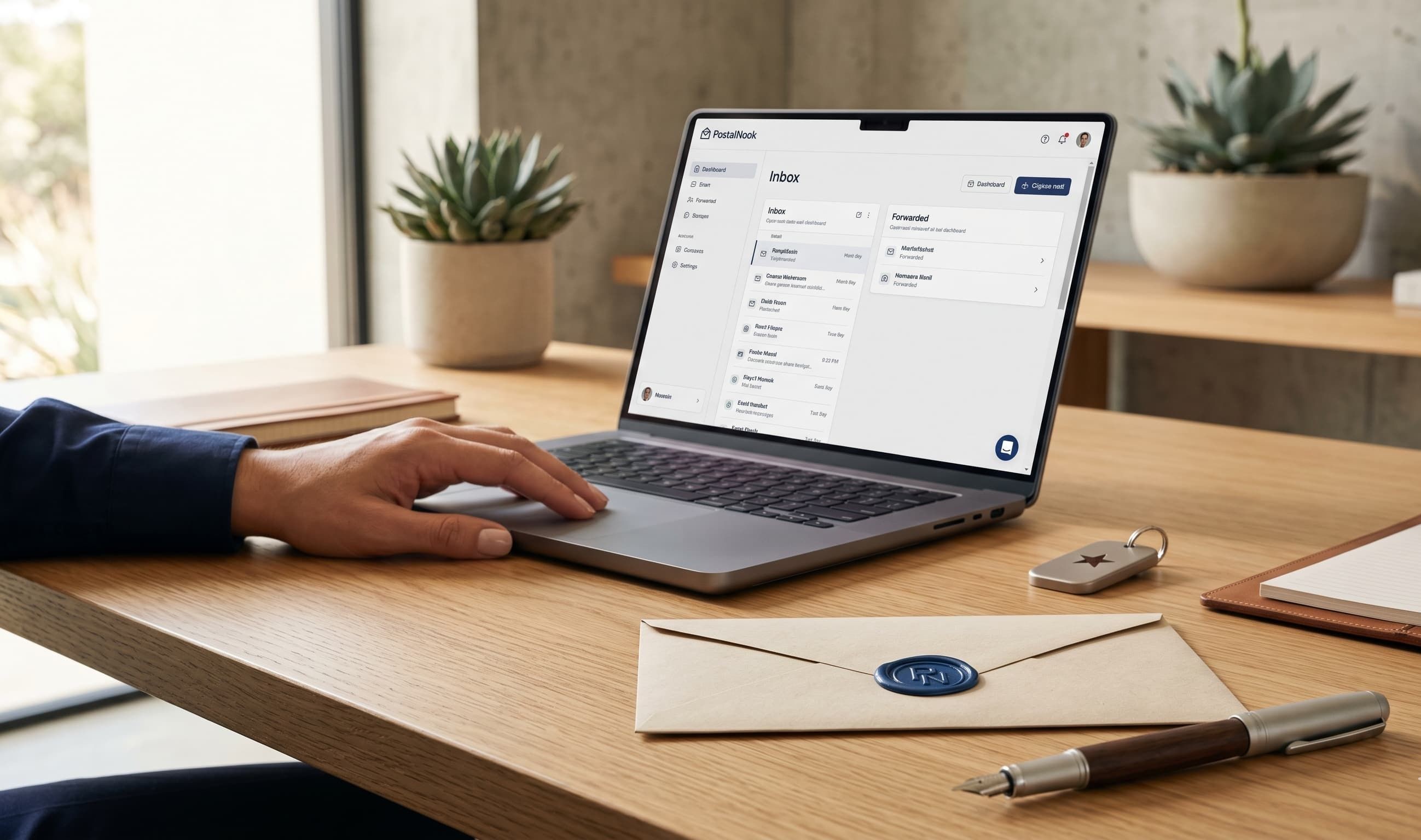
Learn how a virtual business address affects tax nexus. Understand the rules for Texas and zero-tax states to keep your business compliant.

Learn if a virtual mailbox is tax-deductible. Discover how to write off your digital mail and virtual office expenses as a remote business owner.
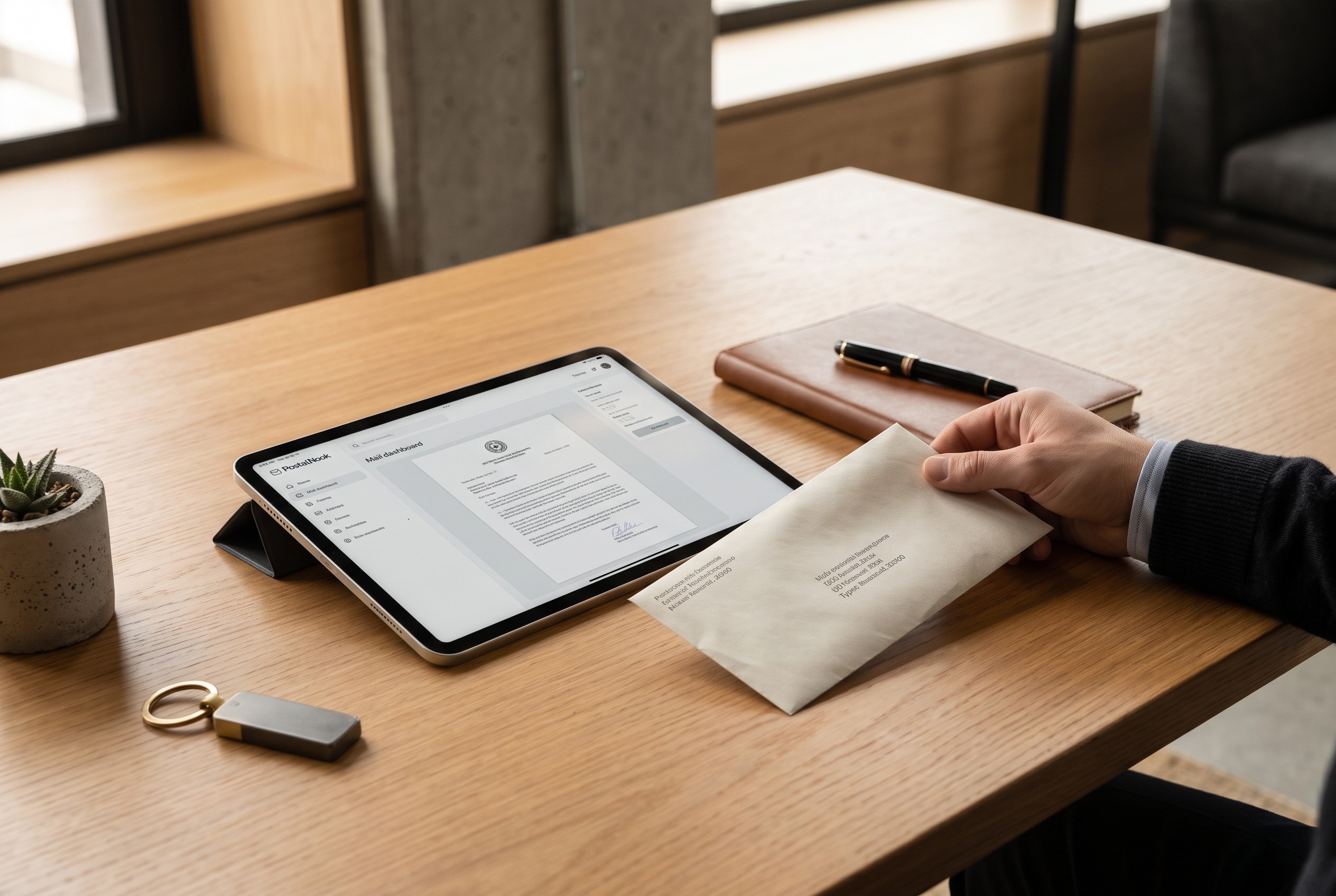
Use a compliant virtual address for your Texas Franchise Tax report and public information report. Protect your privacy and keep your LLC in good standing.

Have a question?
We're here to help! Feel free to reach out. Just fill out the form below, and our team will get back to you as soon as possible.
Loading contact form…
Contact Us
We're here to assist you with any questions or concerns you may have.
(512) 358-1060
contact@postalnook.com
12856 N HIGHWAY 183 (RESEARCH BLVD) AUSTIN, TX 78750

Join our VIP Club
Exclusive deals, early access, and special perks for our valued members.