Does a Virtual Address Create a Tax Nexus? What to Know
Date Published :
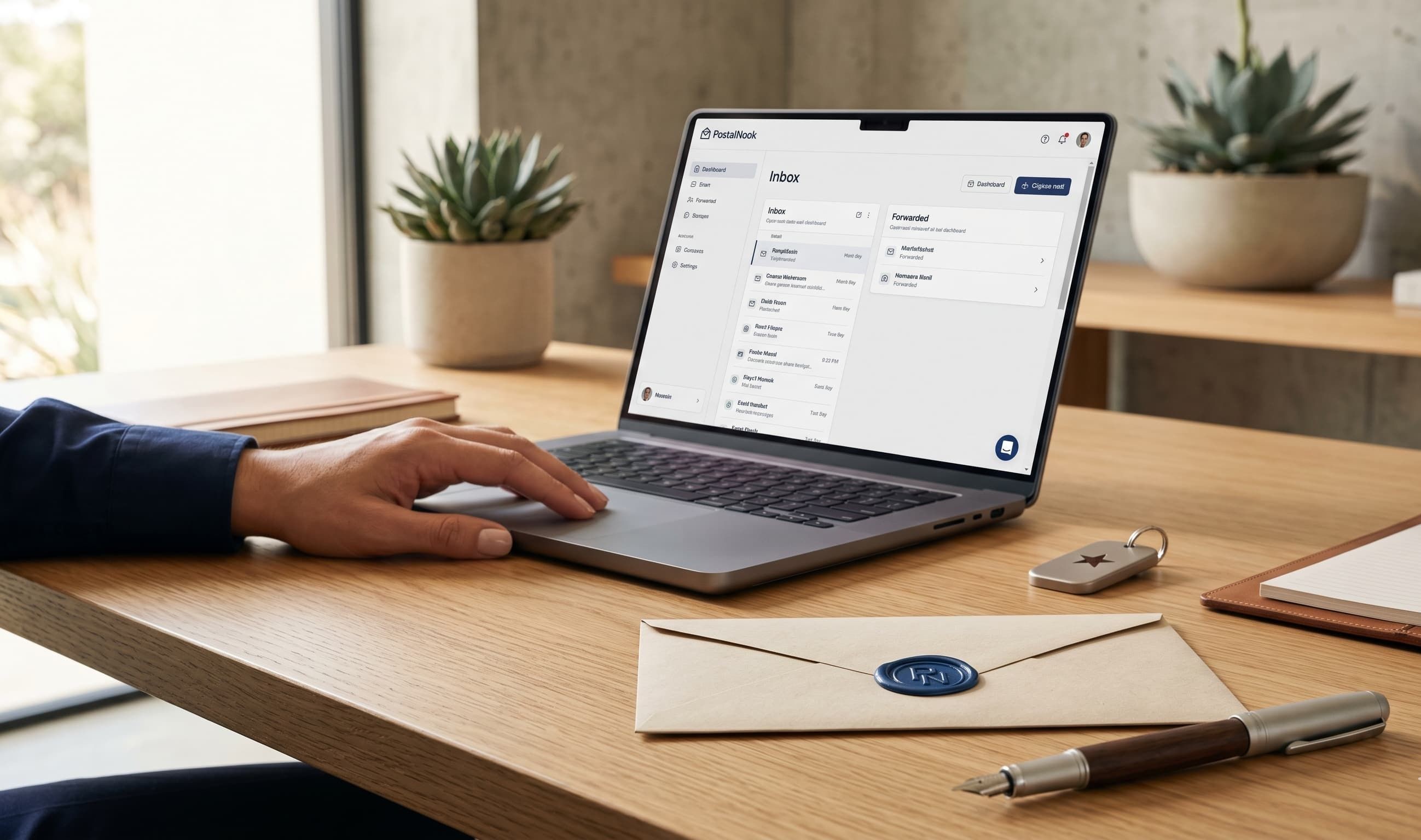
For digital nomads, remote founders, and expanding businesses, physical mail remains a stubborn anchor to the analog world. Transitioning to a digital mailbox solves the logistical headache of paper mail, but it often surfaces a critical question: Does a virtual address create a tax nexus?
The short answer is no. Simply renting a virtual address or a digital mailbox does not inherently establish a physical or economic tax nexus in that state. Tax authorities look at where your income is generated, where your employees work, and where your physical property sits, rather than where your mail is scanned.
However, using that address to register a corporate entity can change your tax obligations. Understanding the distinction between a mail contact point and a legal business structure is essential for protecting your remote business from unexpected state tax liabilities.
What Actually Trigger a Tax Nexus?
To understand why a mailbox alone does not dictate your taxes, it helps to understand what a nexus actually is. A tax nexus is a connection between a business and a state that allows the state to impose tax obligations on that business.
Historically, this required a physical presence. Today, states enforce two primary types of nexus:
- Physical Nexus: This is triggered by having a brick-and-mortar office, a warehouse, inventory, or employees working on the ground within state lines.
- Economic Nexus: Triggered when a business surpasses a specific threshold of sales revenue or transaction volume within a state, even without a physical presence.
A virtual address provides a secure location for handling sensitive operational documents, but it does not house employees or store inventory. Because it lacks these physical and economic markers, the address itself does not create a tax footprint.
Texas Virtual Office Tax Rules and Business Addresses
Texas is one of the most popular destinations for remote companies due to its business-friendly reputation. When looking at the tax benefits of a Texas business address, founders are often drawn to the state's lack of a personal or corporate income tax.
However, Texas virtual office tax rules require careful navigation. If you merely use a Texas virtual address for mail forwarding while operating your business completely out of California, Texas will not claim you. Conversely, California might still view your business as a California taxpayer because that is where the work is being performed.
If you choose to formally register your LLC or corporation in Texas using that virtual address as your registered office, you do establish a legal entity nexus in the state. While you will avoid state corporate income tax, your entity may still be subject to the Texas Franchise Tax if your gross receipts exceed the state's high threshold.
Navigating LLCs in Zero Tax States
Many business owners look into zero tax states LLC setups to minimize their overhead. States like Wyoming, Nevada, South Dakota, and Texas are frequent choices for remote operations.
Using a virtual mailbox in these states gives your business a stable, professional presence. It keeps your home address off public registration records, protecting your privacy from marketers and litigation searches.
But a common mistake is assuming that forming an LLC in a zero-tax state eliminates all state tax exposure. If you live and execute your business contracts from a high-tax state, your home state generally requires you to register as a foreign entity operating within its borders. Your income will typically be taxed where the human being earning the money sits, regardless of where the mail goes.
Privacy, Security, and Logistics
At PostalNook, our founders drew on years of experience in real estate and international logistics to build a mail platform that serves global citizens. We understand that a virtual address is not a tax shelter; it is a critical piece of operational infrastructure.
When you manage an organization across state lines or international borders, you need to ensure that certified mail, tax notices, and legal correspondence are handled with absolute security. A reliable mail management system provides a stable compliance anchor without forcing you to maintain an expensive, empty physical office.
If you are looking to decouple your operations from a single physical location, you can explore our virtual business address solutions to see how we help businesses establish a stable footprint. For individuals and families on the move, our guide on how to choose a digital mailbox provider offers a deeper look at protecting your personal privacy while traveling.
Frequently Asked Questions
PostalNook isn’t just keeping pace with the future of business communication and logistics—it’s defining it. With our innovative virtual mailbox, integrated logistics, and customer-first approach, we’re making it easier than ever for entrepreneurs to manage their U.S. operations efficiently and legally. Embrace the future with PostalNook and experience a new era of business communication and distribution that’s as dynamic and forward-thinking as you are.

Compare virtual and traditional mailboxes in our detailed guide. Discover differences in cost, security, and convenience to determine the best solution for your personal or business needs.

Discover 25 compelling reasons to switch to a virtual mailbox—improving efficiency, security, and convenience for both personal and business mail management. Learn how you can save time and protect your sensitive documents.

Have a question?
We're here to help! Feel free to reach out. Just fill out the form below, and our team will get back to you as soon as possible.
Contact Us
We're here to assist you with any questions or concerns you may have.
(512) 358-1060
contact@postalnook.com
12856 N HIGHWAY 183 (RESEARCH BLVD) AUSTIN, TX 78750

Join our VIP Club
Exclusive deals, early access, and special perks for our valued members.