Will the USPS Go Fully Digital? The Future of Physical Mail
Date Published :
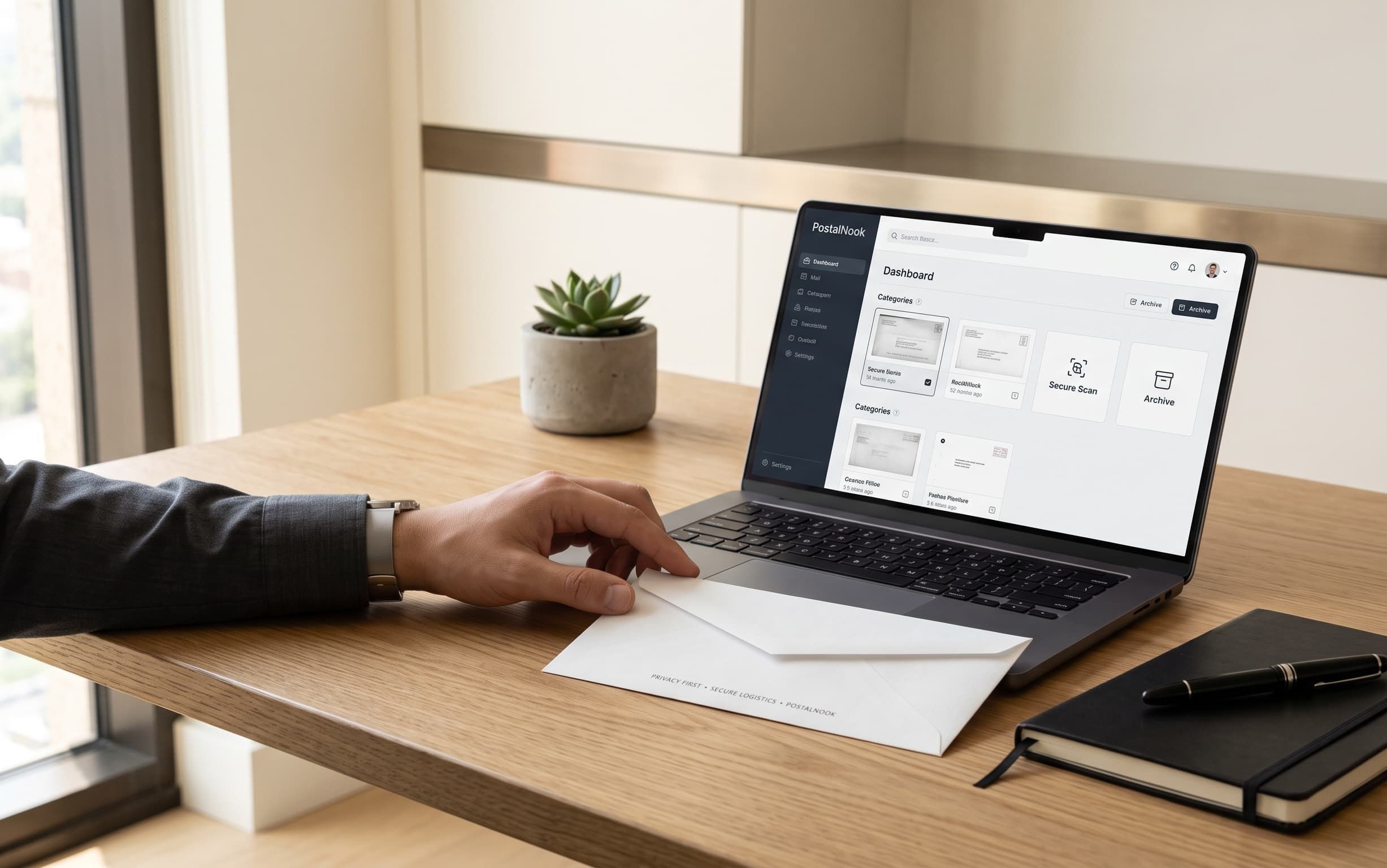
The short answer is no. The United States Postal Service will not go fully digital by 2030, or anytime in the foreseeable future. By law and constitutional mandate, the USPS is required to provide physical delivery to every American address, a concept known as the Universal Service Obligation. While the postal service is aggressively modernizing its internal logistics and digital tracking systems, the physical delivery of letters, passports, government notices, and packages remains an irreplaceable pillar of American infrastructure.
For digital nomads, expats, and remote business owners, this reality introduces a complex friction point. The world is moving fast toward paperless operations, yet our most critical legal and financial institutions still rely entirely on the security of a physical mailbox.
Why can't the post office eliminate paper mail?
To understand why physical mail persists, you have to look at the legal framework governing American communication. The USPS handles millions of official documents every day, from IRS notices and state tax audits to jury summonses and legal subpoenas.
Many of these documents require proof of physical delivery or a wet-ink signature to satisfy statutory requirements. A digital-only postal service would require a massive overhaul of federal and state laws, not to mention a solution for the millions of Americans who still lack reliable broadband internet access.
Furthermore, the physical mailbox serves as a foundational anchor for identity verification. When you open a business bank account or apply for certain merchant processors, banks routinely require a physical street address to comply with Know Your Customer (KYC) and anti-money laundering regulations. They explicitly reject P.O. boxes and standard digital forwarding addresses because they need to verify your physical presence or legal nexus within a specific jurisdiction.
Digital mail trends and post office modernization
Even though the paper envelope isn't going away, the infrastructure behind it is transforming rapidly. The ongoing post office modernization strategy focuses heavily on optimizing the journey of a letter before it reaches your door.
The postal service has invested billions into automated sorting facilities, predictive routing algorithms, and advanced package tracking. The most visible digital bridge they have built for consumers is Informed Delivery, a service that emails you a greyscale digital scan of the exterior of your incoming mailpieces each morning.
While Informed Delivery is a step toward digitization, it highlights a major gap for people who aren't physically present to collect the items. You can see that an important tax form is arriving today, but you still cannot read its contents, archive it securely, or act on it from another country. The USPS digitizes the notification, but the actual asset remains trapped in a piece of paper.
The security and privacy gap in physical logistics
For business owners managing operations from afar, physical mail introduces a massive security vulnerability. When paper mail stacks up in an unmonitored box, it becomes a prime target for identity theft. Important financial statements, corporate registration renewals, and client checks sit exposed to anyone walking by.
This exact vulnerability is what drove our founders to transition from their backgrounds in real estate investment into secure logistics. In real estate, a missed notice or a stolen deed restriction document can derail a multi-million dollar transaction. They realized that professionals, travelers, and growing businesses needed a way to bring the security of an enterprise-grade mailroom into the digital age.
True mail security requires a strict chain of custody. When physical mail is treated as a secure asset, it should be received at a commercial facility, logged immediately, and handled under strict privacy protocols. For anyone relying on a global reach to run their life or business, relying on a neighbor to check the porch is no longer a viable operational strategy.
How forward-thinking businesses handle mail today
Since the USPS will continue delivering physical paper for the next decade and beyond, the burden of modernization falls on the individual. Forward-thinking companies and remote professionals are solving this by decoupling their geographic location from their physical mailbox.
This is where a modern mail manager bridges the gap. Instead of waiting weeks for a stack of paper to be forwarded internationally, or worrying about sensitive documents sitting in an empty office, professionals route their mail through a secure hub. When mail arrives, it is scanned at a high resolution, allowing you to read, file, shred, or archive the contents from a secure digital dashboard anywhere in the world.
If you want to understand the logistical frameworks behind these setups, you can dive into our deeply researched guides on our blogs page. We regularly break down changing postal regulations, residency requirements, and privacy strategies for modern professionals.
By converting physical mail into a secure digital asset the moment it hits the sorting table, you get the best of both worlds. You satisfy the government's requirement for a physical address while maintaining the agile, paperless workflow required to run a business in the modern economy.
Structuring your remote infrastructure
If you are setting up a remote business or planning an extended period abroad, your mail strategy should be established alongside your banking and legal entities.
- Secure a commercial street address: Avoid standard P.O. boxes, which are frequently rejected by banks and state agencies.
- Establish a chain of custody: Ensure your mail is handled by a provider that uses background-checked staff and secure scanning facilities.
- Automate document retention: Choose a system that integrates with your existing digital storage, allowing you to archive legal documents securely without creating physical clutter.
Navigating federal mail systems and privacy laws can feel daunting when you are in the middle of a transition. If you are looking for a reliable partner to handle your physical footprint, you can explore our full suite of digital mail and address options on our services page.
Frequently Asked Questions

Compare virtual and traditional mailboxes in our detailed guide. Discover differences in cost, security, and convenience to determine the best solution for your personal or business needs.
Discover 25 compelling reasons to switch to a virtual mailbox—improving efficiency, security, and convenience for both personal and business mail management. Learn how you can save time and protect your sensitive documents.
Discover how small and medium enterprises can streamline mail management using virtual mailboxes. Learn how digital mail handling saves time, reduces costs, and boosts overall business efficiency.

Have a question?
We're here to help! Feel free to reach out. Just fill out the form below, and our team will get back to you as soon as possible.
Contact Us
We're here to assist you with any questions or concerns you may have.
(512) 358-1060
contact@postalnook.com
12856 N HIGHWAY 183 (RESEARCH BLVD) AUSTIN, TX 78750

Join our VIP Club
Exclusive deals, early access, and special perks for our valued members.