Virtual Mailbox vs P.O. Box for Banking: What You Need to Know
Date Published :
Virtual Mailbox vs P.O. Box for Banking: Which One Do You Actually Need?
Opening a business bank account or applying for a commercial credit card should be a straightforward step in growing your company. Yet thousands of founders, remote entrepreneurs, and expats run into the exact same wall during onboarding: the address verification rejection.
If you attempt to register a standard Post Office box for banking, federal compliance regulations will flag your application almost immediately. Financial institutions require a verifiable physical street address to satisfy anti-money laundering regulations and Know Your Customer rules. A standard P.O. Box fails these automated regulatory checks because it represents a postal receptacle rather than a physical building location. A commercial virtual mailbox with a true street address and residential or commercial zoning meets bank compliance requirements while letting you access scanned mail digitally from anywhere in the world.
When we founded PostalNook after years in commercial real estate, we saw firsthand how traditional physical leases bound modern businesses to rigid locations. We created a modern solution for founders who need uncompromising physical security, strict regulatory compliance, and total mobility.
Why Banks Reject P.O. Boxes for Account Setup
To understand why your bank rejected your application, it helps to look at the financial regulatory framework. Under federal banking guidelines established by the Patriot Act and enforced through Know Your Customer standards, financial institutions must verify the physical location of their account holders.
Banks utilize database tools such as the United States Postal Service Coding Accuracy Support System and Commercial Mail Receiving Agency registries. When you enter a street address into a bank application, their systems instantly query these databases to identify the address classification.
- P.O. Boxes: Classified explicitly as postal delivery boxes located inside a mail facility. They cannot host physical operations or process legal service of process.
- Residential Addresses: Fully compliant for personal accounts, but using a home address exposes your personal residence on public business registries and corporate filings.
- Commercial Street Addresses: Recognized as true physical office or facility locations. When paired with a CMRA service that provides unique suite numbers rather than box numbers, these addresses satisfy automated bank verification checks.
If you submit a P.O. Box on a credit card application or bank application, the system automatically flags the entry. The bank will request secondary documentation, such as a utility bill or lease agreement, tied to a true physical street address.
Comparing Mail Solutions for Modern Business Owners
Choosing between a traditional Post Office box, a standard package locker service, and a digital virtual mailbox comes down to compliance, convenience, and control.
Traditional P.O. Boxes
A Post Office box operated directly by the national postal system offers a reliable space to hold physical letters. However, its limitations for modern business are substantial:
- It is legally restricted from receiving deliveries from private carriers such as UPS, FedEx, or DHL.
- It fails bank address verification checks.
- You must physically travel to the facility during operating hours to collect your mail.
Commercial Parcel Mailboxes
Local mail shops often offer physical street addresses with suite numbers. While these can accept packages from all major carriers, you remain tethered to a single location. If you travel for work, move out of state, or operate internationally, your physical mail accumulates unread until you return or pay heavy manual forwarding fees.
Digital Virtual Mailboxes
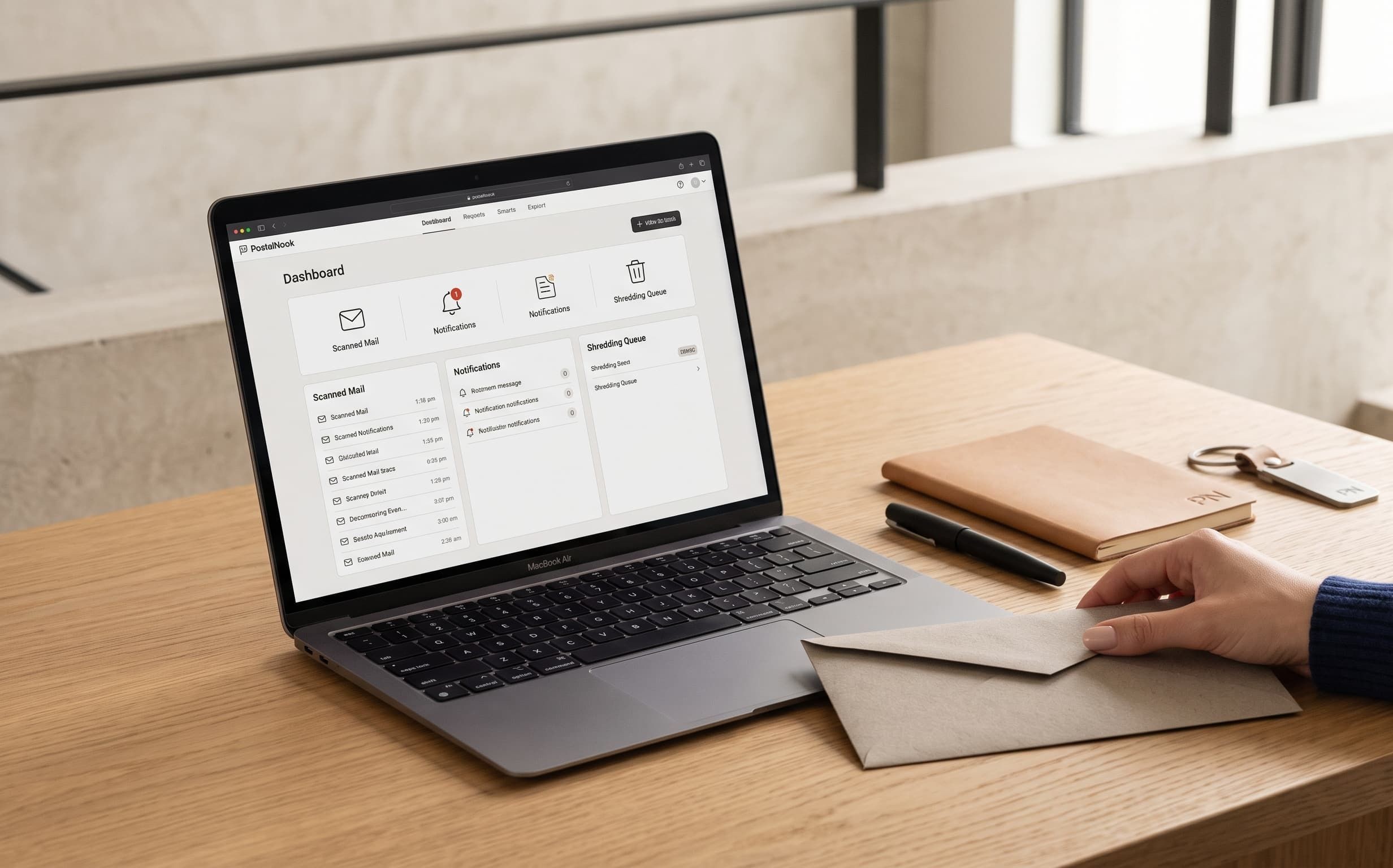
A modern virtual mailbox provides a physical street address located in a legitimate commercial zone. Mail arrives at a secure processing hub where staff scan the exterior of each envelope. You log into a secure digital dashboard to view your mail, request high-resolution interior scans, forward physical packages, or request secure shredding.
When you explore our Features & Benefits page, you can see how real-time digital notification, automated scanning, and cloud archiving transform physical mail handling into a seamless digital workflow.
How a Virtual Mailbox Keeps Your Credit Cards and Accounts Active
The need for a compliant physical address does not end once your bank account is open. Financial institutions routinely run security checks, re-verify addresses, and send sensitive replacement cards, tax documents, and verification codes through physical mail.
If a bank sends a replacement debit card or tax statement to an outdated or non-compliant address, the item is returned as undeliverable. Returned mail triggers automatic fraud alerts within banking systems, often leading to temporary account freezes or restricted access until you re-verify your location.
A professional virtual mailbox solves this vulnerability through continuous mail oversight:
- Immediate Awareness: You receive visual notification the moment bank correspondence arrives, eliminating missed notices or unexpected card expirations.
- Secure Forwarding: When a physical credit card arrives, you can request tracked, encrypted shipping to wherever you happen to be in the world.
- Privacy Defense: By keeping your personal home address off public business registrations, you protect your household privacy while maintaining complete compliance with your financial partners.
Whether you operate locally or manage a global team, having a centralized mail hub ensures uninterrupted business operations.
Key Considerations When Setting Up Virtual Mail for Banking
If you are ready to transition your business banking address to a virtual mailbox, following a precise setup sequence avoids unnecessary compliance delays.
- Verify Address Type: Confirm that your virtual mailbox provider supplies a true commercial street address with a distinct suite number rather than a box or PMB designation.
- Complete Form 1583: The United States Postal Service requires all commercial mail receiving agency customers to complete USPS Form 1583. This legal document authorizes the provider to receive mail on your behalf and requires two forms of verified identification.
- Update Registered Agent Filings: Ensure your state corporate entity filings align with your official operational addresses to maintain consistency across public records.
- Notify Your Bank: Update your primary physical address with your banking portal. Most financial institutions allow separate billing, mailing, and physical operational addresses within your account settings.
Taking these steps systematically ensures your financial infrastructure remains compliant, secure, and accessible regardless of your geographic location. If you are ready to secure your dedicated business address today, visit our Sign Up page to get started in just a few minutes.
Managing Your Mail with Confidence
Managing your world from afar is a challenge. If you have questions about how we handle specific documents, our team is here to help you navigate it.
Frequently Asked Questions
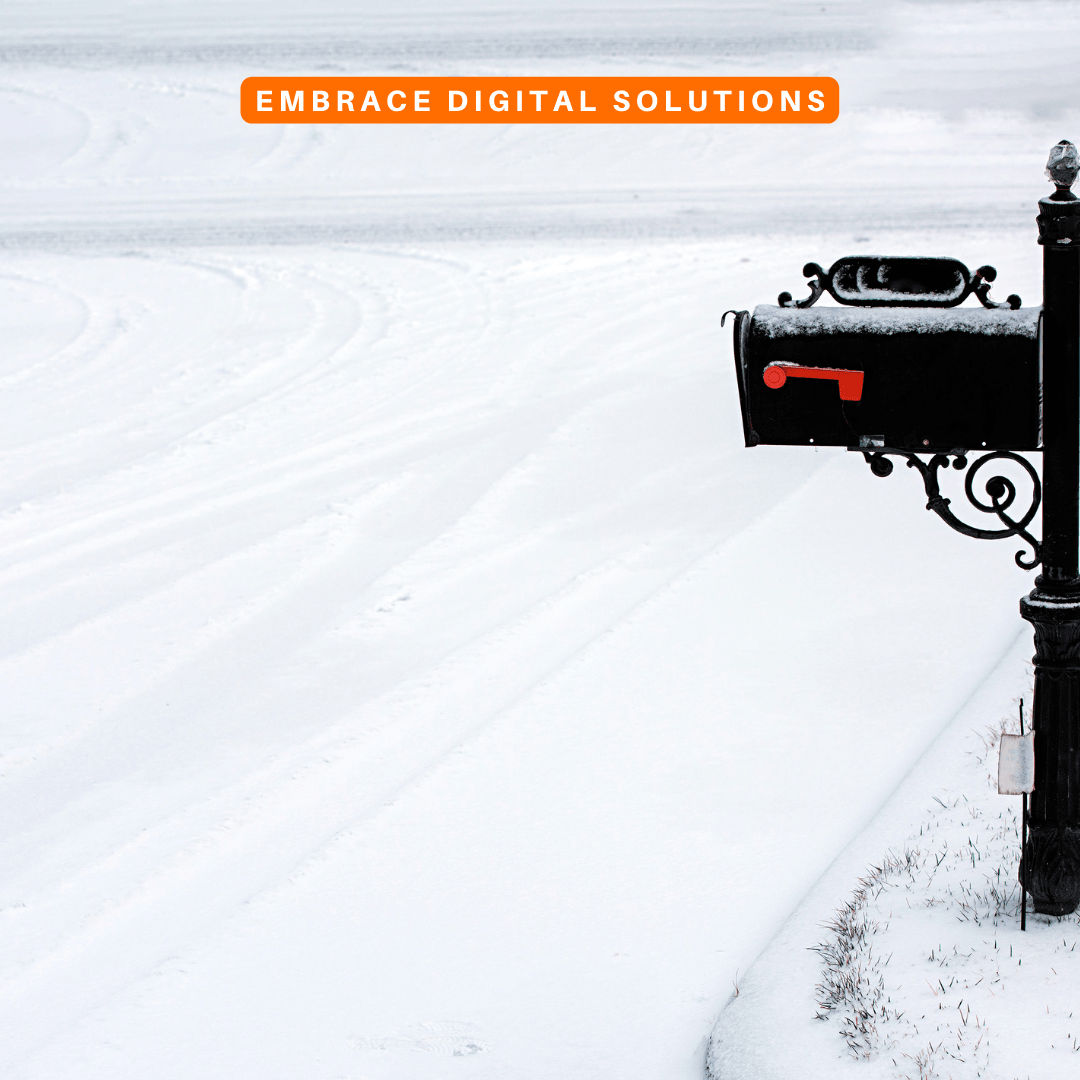
Explore our in-depth guide on virtual mailboxes—from key features and benefits to easy setup instructions. Perfect for individuals and businesses seeking a secure, efficient digital mail solution.
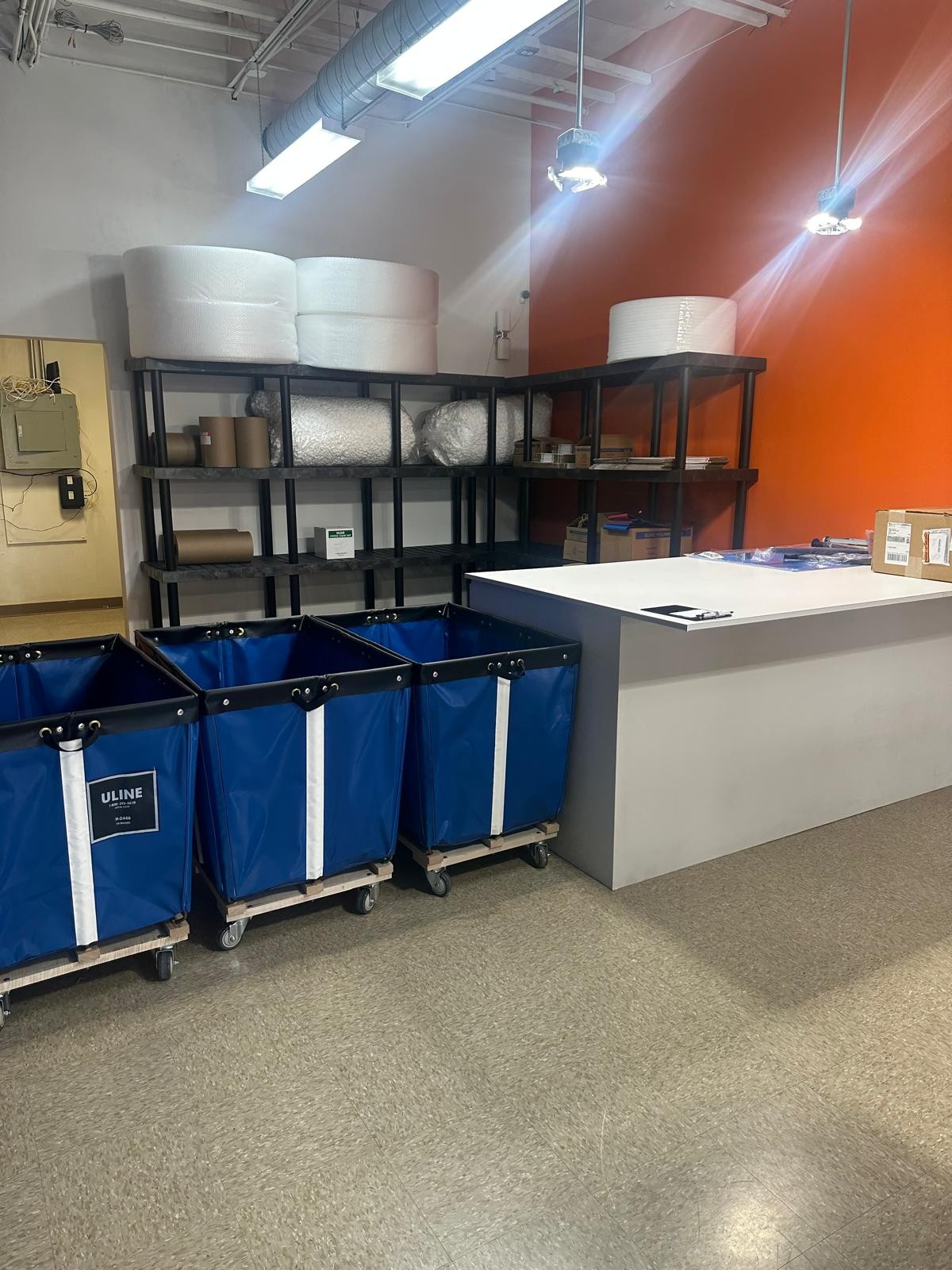
PostalNook isn’t just keeping pace with the future of business communication and logistics—it’s defining it. With our innovative virtual mailbox, integrated logistics, and customer-first approach, we’re making it easier than ever for entrepreneurs to manage their U.S. operations efficiently and legally. Embrace the future with PostalNook and experience a new era of business communication and distribution that’s as dynamic and forward-thinking as you are.
.png&w=3840&q=90)
Discover how digital nomads can overcome mail management challenges with virtual mailboxes. Learn how to access, manage, and secure your mail anytime, anywhere while traveling the world.

Have a question?
We're here to help! Feel free to reach out. Just fill out the form below, and our team will get back to you as soon as possible.
Contact Us
We're here to assist you with any questions or concerns you may have.
(512) 358-1060
contact@postalnook.com
12856 N HIGHWAY 183 (RESEARCH BLVD) AUSTIN, TX 78750

Join our VIP Club
Exclusive deals, early access, and special perks for our valued members.