Virtual Mailbox for Tax Documents: A Secure Guide
Date Published :
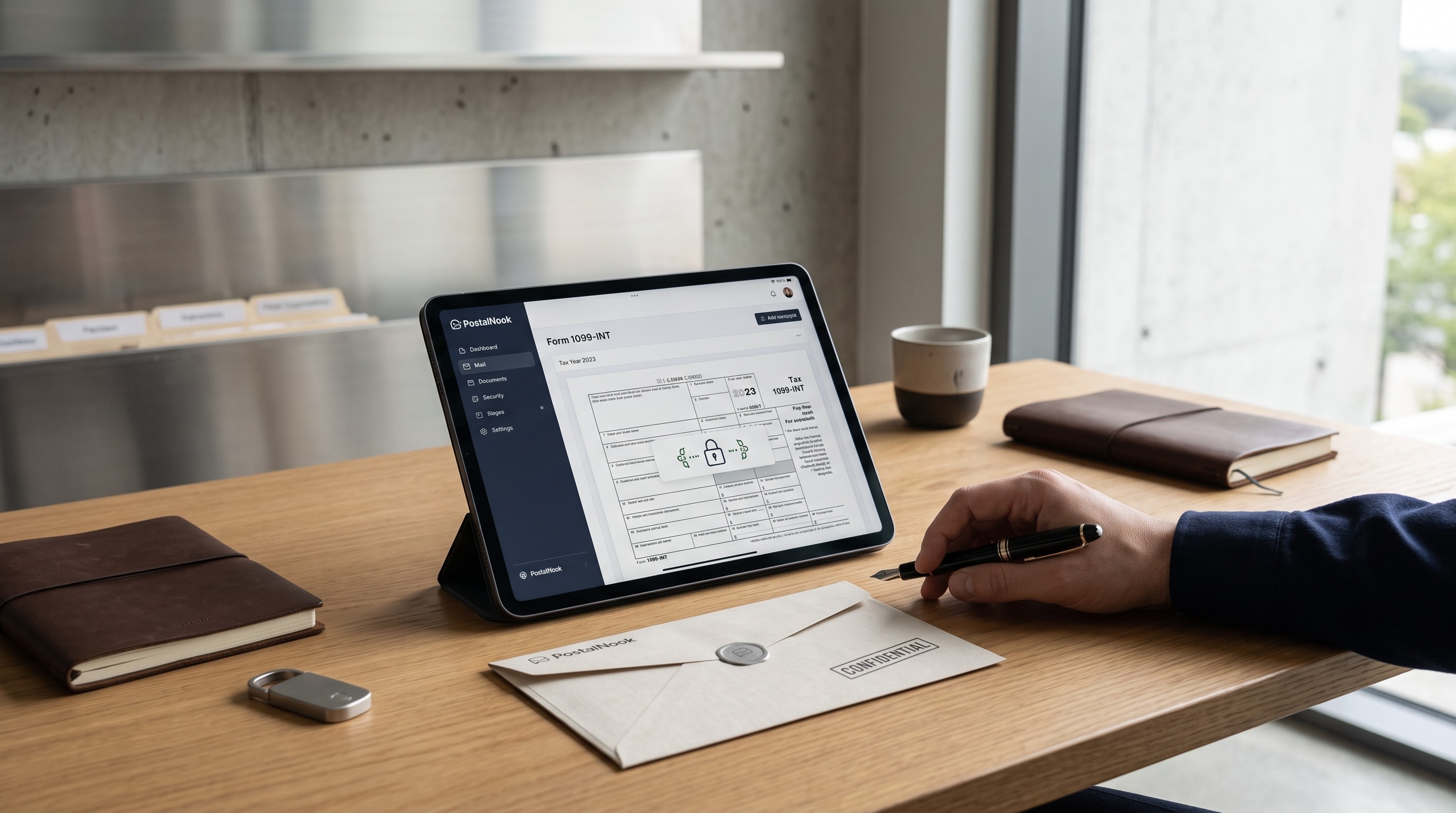
Tax season creates enough stress on its own, but managing critical financial mail while moving between locations or running a business remotely adds an extra layer of friction. Missing an IRS notice, a 1099, or an essential state tax filing because it arrived at an unmonitored street address can lead to unexpected penalties, administrative delays, and unnecessary anxiety. A virtual mailbox for tax documents offers a reliable way to receive, view, and organize sensitive financial correspondence online, keeping your personal details secure no matter where you operate from.
Can You Receive IRS and State Tax Documents Through a Virtual Mailbox?
Yes, you can receive official tax correspondence through a virtual mail service, provided the provider offers a commercial mail receiving agency (CMRA) physical street address rather than a standard P.O. Box. Federal and state tax agencies, including the IRS, require a physical address for official correspondence and business entity registrations.
When tax mail arrives at a secure processing facility, trained specialists scan the envelope exterior. You then decide whether to have the contents scanned into a encrypted digital format, forwarded physical unopened, or securely shredded. This process ensures you receive tax documents securely and promptly, giving you immediate visibility into critical time-sensitive notices regardless of your physical location.
How Digital Mail Services Protect Sensitive Tax Information
Tax documents contain sensitive details, including Social Security Numbers, Employer Identification Numbers, and confidential financial history. Relying on basic forwarding or standard home mailboxes leaves this data vulnerable to physical theft and mail loss. Modern digital mail for tax documents implements multi-layered physical and digital security protocols:
- Strict Identity Verification: Legitimate providers require Form 1583 notarization, mandated by the United States Postal Service, ensuring only verified individuals can access mail processing services.
- Controlled Access Facilities: Mail processing occurs in audited, physical centers equipped with continuous monitoring and restricted staff access to prevent unauthorized physical handling.
- Encrypted Digital Delivery: Document scans are uploaded to secure cloud platforms protected by high-level encryption both in transit and at rest, preventing digital interception.
- Secure Document Destruction: Physical documents scheduled for disposal undergo industry-compliant shredding rather than standard recycling.
Handling Business Tax Mail Across Multiple Locations
For growing companies, distributed teams, and digital nomads, managing business tax mail across state lines poses significant logistical hurdles. State departments of revenue and local tax authorities issue compliance notices and annual filing reminders throughout the calendar year. A central address helps streamline corporate record-keeping.
Having spent years operating across real estate development and location-independent ventures, our founders experienced firsthand how fragmented physical logistics can disrupt critical business operations. A centralized postal node solves this bottleneck. Instead of relying on friends, family, or empty office spaces to check physical locations, business owners gain a single secure dashboard to review corporate tax filings, state notices, and employee tax forms.
To explore how these capabilities fit into your broader operational framework, you can review our full suite of digital mail management services.
Best Practices for Managing Tax Mail Remotely
To maintain clean records and ensure full compliance, adopt a systematic approach to handling your incoming financial mail.
- Update Addresses Early: Notify financial institutions, payroll providers, and tax preparers of your virtual address well ahead of filing deadlines to prevent delayed tax forms.
- Set Up Immediate Digital Filing: As soon as tax scans enter your digital inbox, download and organize them into your tax preparation software or secure cloud backup.
- Establish Processing Protocols: Create clear guidelines for whether physical originals, like certified IRS letters, should be stored in secure physical archives or forwarded directly to your accountant.
- Schedule Regular Checks: Even outside active filing seasons, set a routine to check your virtual portal for mid-year tax notices, quarterly estimate adjustments, or audit inquiries.
Frequently Asked Questions
Explore our in-depth guide on virtual mailboxes—from key features and benefits to easy setup instructions. Perfect for individuals and businesses seeking a secure, efficient digital mail solution.
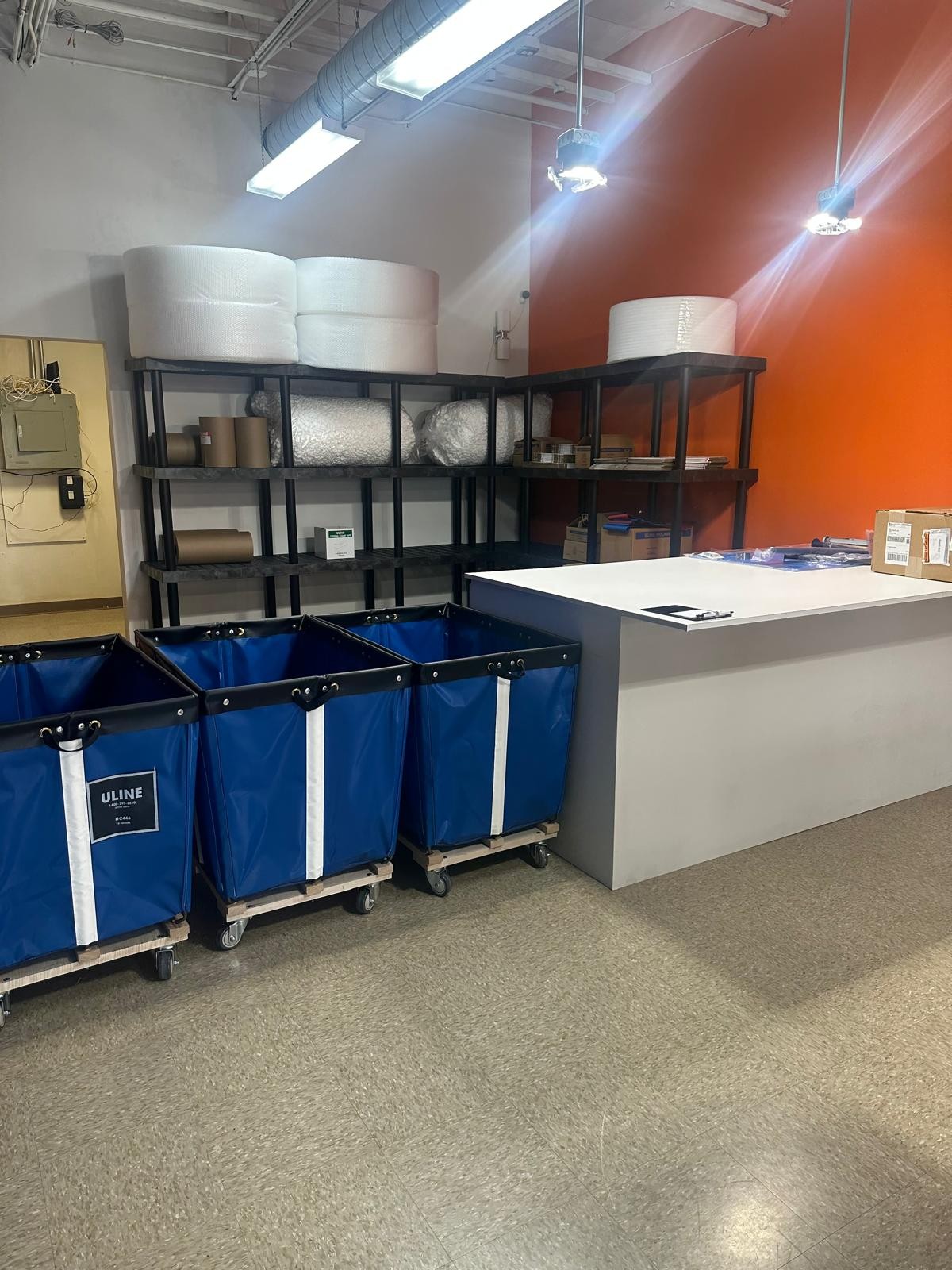
PostalNook isn’t just keeping pace with the future of business communication and logistics—it’s defining it. With our innovative virtual mailbox, integrated logistics, and customer-first approach, we’re making it easier than ever for entrepreneurs to manage their U.S. operations efficiently and legally. Embrace the future with PostalNook and experience a new era of business communication and distribution that’s as dynamic and forward-thinking as you are.

Discover how digital nomads can overcome mail management challenges with virtual mailboxes. Learn how to access, manage, and secure your mail anytime, anywhere while traveling the world.

Have a question?
We're here to help! Feel free to reach out. Just fill out the form below, and our team will get back to you as soon as possible.
Contact Us
We're here to assist you with any questions or concerns you may have.
(512) 358-1060
contact@postalnook.com
12856 N HIGHWAY 183 (RESEARCH BLVD) AUSTIN, TX 78750

Join our VIP Club
Exclusive deals, early access, and special perks for our valued members.