Virtual Mailbox Fees Explained: Hidden Costs to Watch For
Date Published :

Virtual Mailbox Fees: What Are You Actually Paying For?
If you are expanding a business, moving abroad, or managing a remote lifestyle, securing a reliable physical address is usually top of mind. You start looking at virtual mailbox services, see a advertised rate of $10 or $15 a month, and think the decision is made. Then the first invoice arrives. Suddenly, you are billed for inbound envelope scans, physical storage days, shredding fees, and marked-up postage.
Understanding virtual mailbox fees requires looking past the baseline subscription rate. A low advertised price often means a pay-per-use model that stacks extra costs onto every item received. This guide breaks down how virtual mailbox pricing structures work, where hidden charges hide, and how to estimate your real monthly total based on your actual mail volume.
What Does a Base Virtual Mailbox Monthly Fee Include?
The baseline subscription fee reserves your real physical street address and grants you access to an online portal where incoming items are uploaded. Depending on the provider, this flat monthly cost typically covers:
- A commercial street address (not a P.O. Box) suitable for business registration.
- Exterior envelope scans showing the sender, return address, and postmark.
- A basic allowance of incoming mail items per month (usually between 10 and 30 items).
- Standard digital storage for mail previews inside your dashboard.
Higher-tier plans simply scale up these allowances. If you receive corporate bank statements, state compliance notices, or occasional vendor invoices, a starter tier works well. However, if your mail volume exceeds your plan's limit, overage charges kick in automatically.
Common Hidden Charges in Mail Management Pricing
The real cost of a digital mail service depends heavily on how you interact with your physical items once they arrive at the facility. Below are the standard operations that incur additional line items on your bill.
Mail Forwarding Fees
Having a physical letter forwarded to your current location involves two distinct charges: the service provider's handling fee and the actual carrier shipping cost. Some providers charge a flat administrative fee per shipment, while others mark up FedEx, UPS, or USPS rates. If you live internationally, customs documentation and international carrier rates will significantly impact this cost.
Package Handling and Storage Costs
Packages require physical space and manual labor. Standard envelopes are easy to file, but boxes take up floor space. Most services offer a short complimentary storage window, typically 14 to 30 days. Beyond that grace period, daily or monthly storage fees accrue per item. Additionally, oversized items or shipments requiring special handling will carry extra receiving charges.
Content Scanning and Shredding Rates
While scanning the outside of an envelope is usually included, opening the letter to digitize the contents requires manual processing. Plans usually include a fixed page count per month. Exceeding that limit incurs a per-page scan fee. Furthermore, once mail is processed, securely destroying sensitive documents requires industrial shredding, which some services charge for by the document or by weight.
How to Estimate Your Real Monthly Mail Expenses
To avoid unexpected bills, evaluate your mail habits using three primary variables: volume, action, and forwarding frequency.
- Volume: Count how many unique pieces of mail you receive in a standard month. Include junk mail, as facilities log every envelope that hits your box unless filtered out.
- Action: Determine how many envelopes need to be opened and scanned versus simply logged and recycled.
- Forwarding: Decide how often you require physical delivery of original documents, credit cards, or parcels.
When our founders built PostalNook, their background in commercial real estate emphasized the importance of transparent operational costs. Whether securing space for a physical enterprise or managing physical mail for remote operators across the globe, unpredictable line items destroy trust. Choosing a provider that offers clear, bundled pricing keeps your operational expenses steady.
How Digital Mailboxes Protect Your Privacy and Security
Beyond basic mail handling, a virtual address serves as a critical barrier between your personal life and public records. Registering a business or setting up personal accounts using a residential address makes your home location accessible in state registries and marketing databases.
A dedicated virtual address routes corporate filings, official notices, and personal correspondence through a secure, professional facility. Incoming items are logged by trained staff in a monitored environment, ensuring high-value documents remain protected while keeping your personal residence off public databases.
Managing your world from afar is a challenge. If you have questions about how we handle specific documents, our team is here to help you navigate it. To get started with a clear, secure setup today, explore our full range of solutions on our PostalNook Sign Up page.
Frequently Asked Questions
Explore our in-depth guide on virtual mailboxes—from key features and benefits to easy setup instructions. Perfect for individuals and businesses seeking a secure, efficient digital mail solution.
.png&w=3840&q=90)
Discover how digital nomads can overcome mail management challenges with virtual mailboxes. Learn how to access, manage, and secure your mail anytime, anywhere while traveling the world.
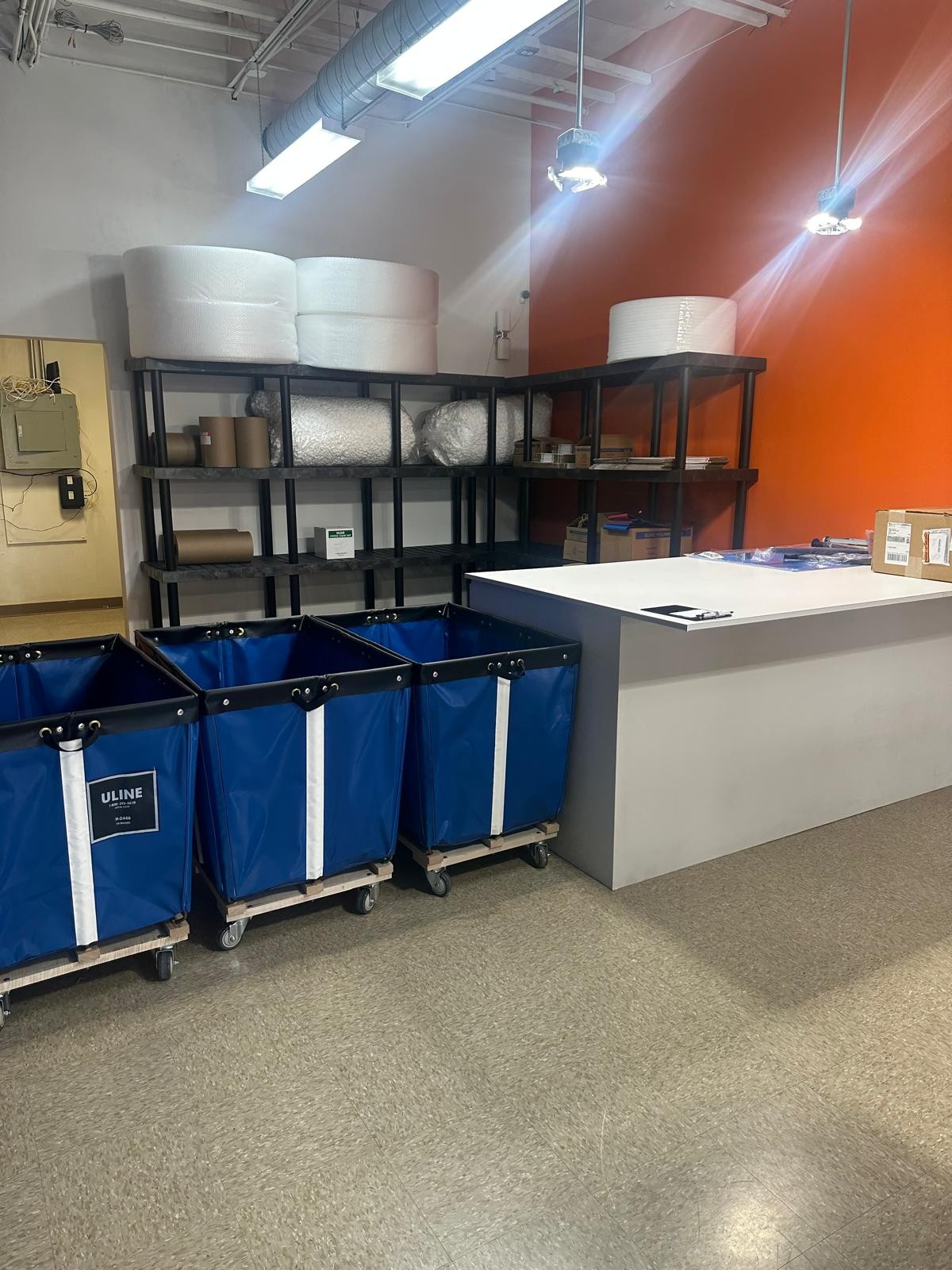
PostalNook isn’t just keeping pace with the future of business communication and logistics—it’s defining it. With our innovative virtual mailbox, integrated logistics, and customer-first approach, we’re making it easier than ever for entrepreneurs to manage their U.S. operations efficiently and legally. Embrace the future with PostalNook and experience a new era of business communication and distribution that’s as dynamic and forward-thinking as you are.

Have a question?
We're here to help! Feel free to reach out. Just fill out the form below, and our team will get back to you as soon as possible.
Contact Us
We're here to assist you with any questions or concerns you may have.
(512) 358-1060
contact@postalnook.com
12856 N HIGHWAY 183 (RESEARCH BLVD) AUSTIN, TX 78750

Join our VIP Club
Exclusive deals, early access, and special perks for our valued members.