Mail Forwarding vs. Mail Scanning: Which One Do You Need?
Date Published :
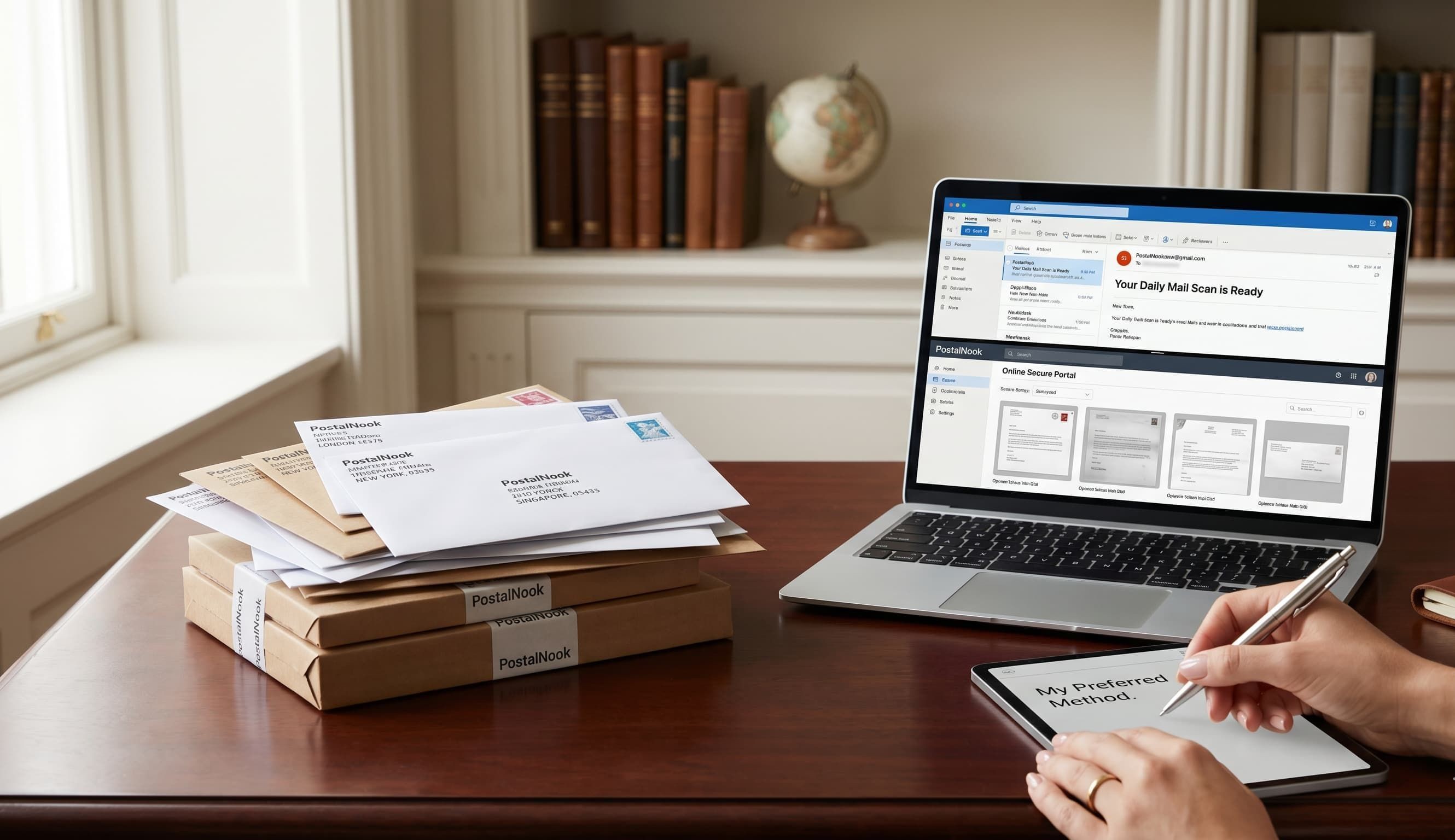
Managing physical mail when you are rarely in one place is a logistical puzzle that most people do not consider until they are already on the move. Whether you are expanding a business, living as an expat, or traveling long term, the stack of paper waiting at your door represents more than just clutter. It represents your legal identity, your financial obligations, and your privacy.
The choice between mail forwarding and mail scanning isn't just about how you receive your letters. It is about how you want to interact with your data. Forwarding keeps the physical paper in your hands, while scanning converts that paper into a digital asset you can access from any device. Deciding which path to take depends on your need for physical originals versus your need for immediate, paperless access.
What is mail forwarding and how does it work?
Mail forwarding is the traditional method of redirecting your post from one address to another. When mail arrives at a central hub, it is sorted, bundled, and shipped to your current location. This is often the preferred choice for people who require original documents, such as credit cards, passports, or legal contracts that must remain in their physical form.
The process is straightforward but relies on the speed of global logistics. You provide a forwarding address, and your mail service sends your items at a frequency you choose. Because this involves physical transport, it is subject to shipping times and potential customs delays if you are moving between countries.
What is mail scanning and is it secure?
Mail scanning, often called a virtual mailbox service, is a digital first approach. When a letter arrives at your designated address, the service provider scans the exterior of the envelope. You view this notification on a secure platform and decide whether you want the contents opened and scanned.
High end providers prioritize privacy throughout this process. At PostalNook, our background in real estate and logistics taught us that sensitive documents require a chain of custody that is both transparent and secure. Once a request is made, the document is scanned into a high resolution PDF and uploaded to an encrypted portal. This allows you to read your mail in real time, regardless of your time zone, without waiting for a courier.
Comparing the two: Privacy, speed, and utility
When you compare mail forwarding vs scanning, the right choice often comes down to the specific nature of your mail.
The speed of information
Scanning is objectively faster. If you receive a time sensitive notice from a tax authority or a legal representative, waiting ten days for international forwarding can be a liability. Scanning allows you to react to the information within hours.
The necessity of the physical object
Forwarding is essential for items that cannot be digitized. This includes replacement bank cards, checks that require a physical deposit, or original deeds. Many professionals use a hybrid approach where they scan the majority of their mail to stay organized but forward specific high value items once or twice a month.
Privacy and handling
Security is a common concern for those new to mail scanning. It requires a level of trust to allow a third party to open your mail. However, professional services operate under strict privacy protocols and background checked staff. In many ways, a secure digital scan is safer than a physical envelope sitting in an unlocked mailbox or a communal lobby.
How do you choose the right service for your lifestyle?
Your decision should be based on your "anchor" to a specific location. If you are an expat with a permanent residence in a new country, you might prefer forwarding to keep your records in one place. If you are a digital nomad or a business owner managing multiple projects, the searchability and portability of scanned PDFs are often more valuable.
We founded PostalNook because we saw how traditional postal systems failed to keep up with a globalized workforce. We realized that a mailbox should be a tool for freedom, not a tether to a single zip code. By understanding these two methods, you can build a system that protects your privacy while ensuring you never miss a critical update.
For more information on setting up your remote infrastructure, you can explore our guide on how to get a virtual mailing address and see how it integrates with your daily workflow.
Managing the logistics of physical storage
One often overlooked aspect of this debate is what happens to the paper after it is processed. If you choose scanning, your service provider will typically store the physical mail for a set period, usually 30 to 60 days. This gives you a safety net. If you realize after reading a scan that you actually need the original paper, you can still request that it be forwarded.
If you do not need the original, the service provider should offer secure shredding. This is a critical step for identity protection. Simply tossing mail into a standard bin is a risk. Professional shredding ensures that your personal information is destroyed beyond recovery. You can learn more about these secure mail handling protocols to understand the standards you should expect from any provider.
Common misconceptions about virtual mail
A frequent misunderstanding is that mail scanning is the same as a P.O. Box. While both provide an alternative address, a P.O. Box requires you to be physically present to collect your mail. A virtual mailbox with scanning capabilities removes the geographical requirement entirely.
Another misconception is that all mail can be scanned. Certain items, like large packages or sensitive government issued IDs, are better suited for forwarding. A reliable partner will help you distinguish between what needs to be on your screen and what needs to be in your hands.
Frequently Asked Questions
Compare virtual and traditional mailboxes in our detailed guide. Discover differences in cost, security, and convenience to determine the best solution for your personal or business needs.
Explore our in-depth guide on virtual mailboxes—from key features and benefits to easy setup instructions. Perfect for individuals and businesses seeking a secure, efficient digital mail solution.
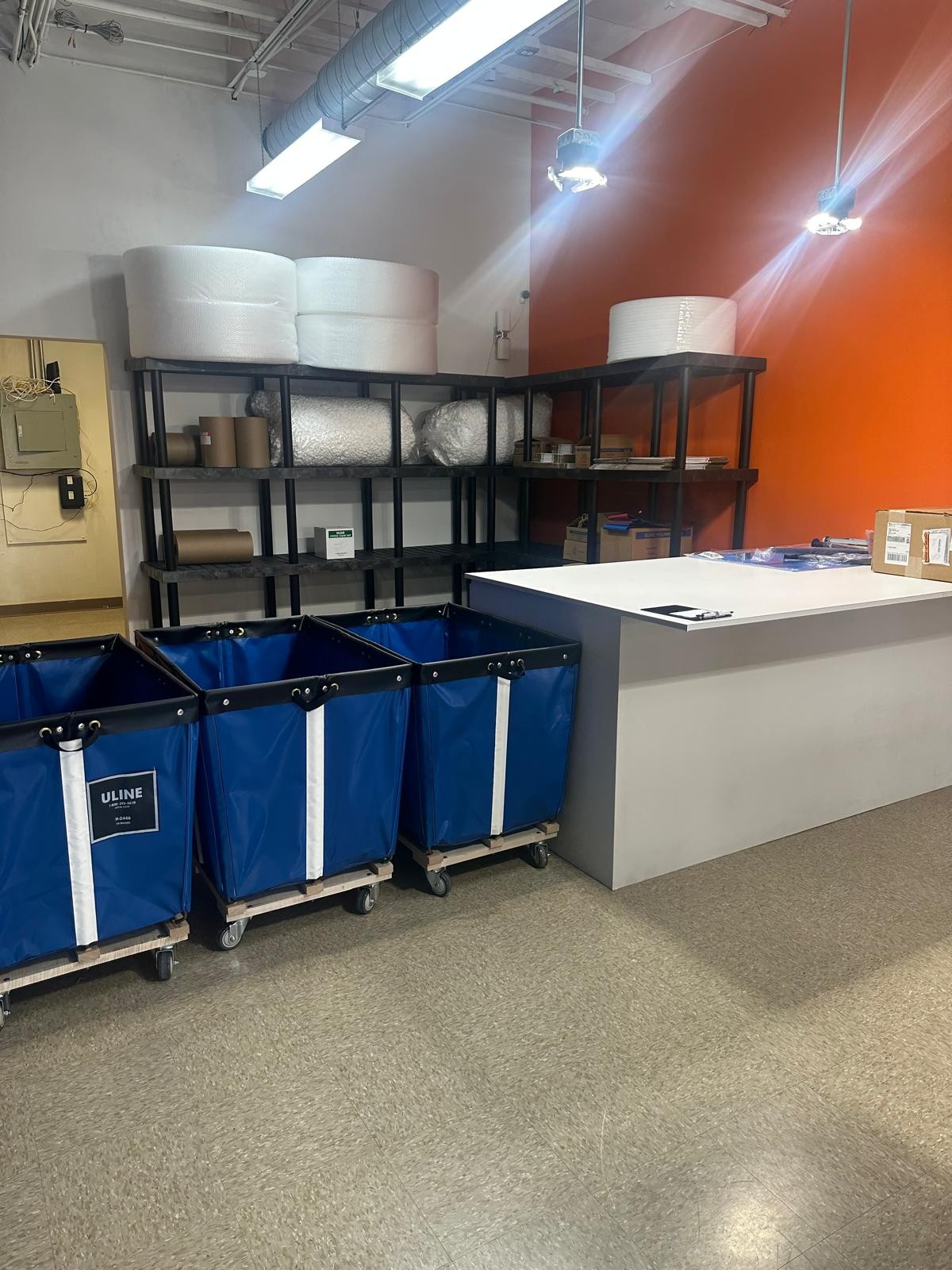
PostalNook isn’t just keeping pace with the future of business communication and logistics—it’s defining it. With our innovative virtual mailbox, integrated logistics, and customer-first approach, we’re making it easier than ever for entrepreneurs to manage their U.S. operations efficiently and legally. Embrace the future with PostalNook and experience a new era of business communication and distribution that’s as dynamic and forward-thinking as you are.

Have a question?
We're here to help! Feel free to reach out. Just fill out the form below, and our team will get back to you as soon as possible.
Contact Us
We're here to assist you with any questions or concerns you may have.
(512) 358-1060
contact@postalnook.com
12856 N HIGHWAY 183 (RESEARCH BLVD) AUSTIN, TX 78750

Join our VIP Club
Exclusive deals, early access, and special perks for our valued members.