Is Package Consolidation Worth It? Real Savings Explained
Date Published :

If you shop from multiple online retailers abroad or manage supply chains while living far from home, international shipping costs can shock you. Paying separate international delivery fees, customs clearance surcharges, and base handling charges for three or four separate boxes feels like burning money.
Package consolidation seems like the obvious fix. By gathering several separate deliveries at a domestic address, unboxing them, and packing them together into a single box, you pay one international transit fee instead of four.
Is package consolidation worth it? For most shoppers, expats, and remote business owners shipping three or more items at once, the short answer is yes. Combining shipments typically cuts total international freight costs by 30% to 80%.
However, the real savings depend on how your items are packed, how carrier dimensional weight is calculated, and what customs regulations apply to your shipment.
How Does Package Consolidation Actually Save You Money?
To understand why combining boxes reduces freight costs, you have to look at how global courier services bill for delivery.
International carriers charge a high base rate for the first pound or kilogram of any shipment. This covers administrative work, initial handling, and standard customs filing. Every additional pound added to that same box costs significantly less. When you ship four small boxes separately, you pay that expensive first-pound fee four distinct times. Combining those items into one box means you pay that initial fee only once.
The second major factor is dimensional weight, often called volumetric weight. E-commerce sellers frequently ship small products in oversized boxes filled with excess air and paper padding. Major international couriers calculate shipping rates based on whichever number is larger: the actual weight on a scale or the space the box occupies in an aircraft cargo hold.
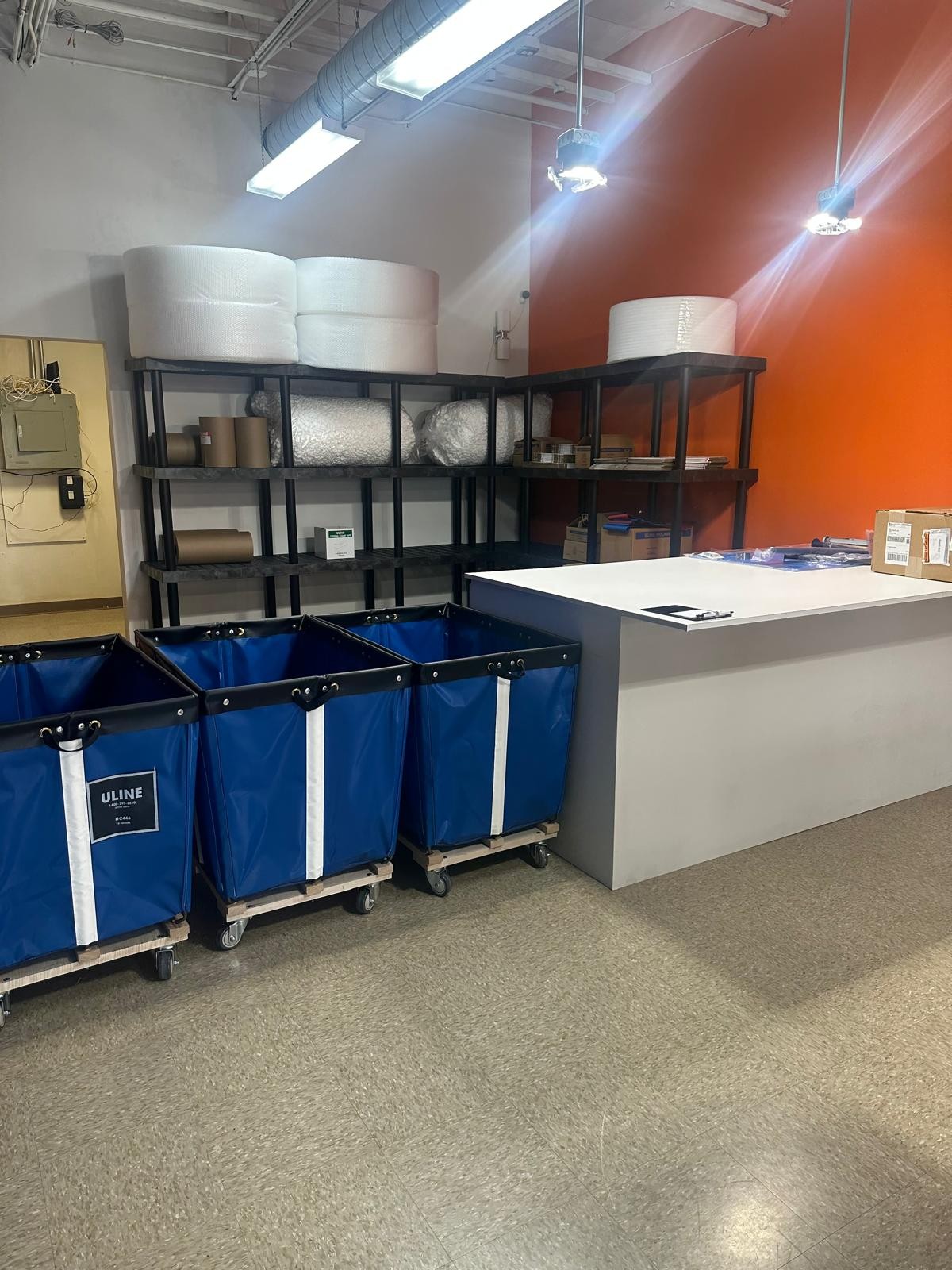
Professional package handling teams remove manufacturer retail packaging and excess cardboard, combining items tightly into a smaller container. Reducing total volume lowers your volumetric weight, directly shrinking your final bill.
When Is Combining Packages Worth the Cost?
While consolidation offers clear benefits, it is not a universal solution for every delivery situation.
Ideal Scenarios for Consolidation
- Multi-store shopping sprees: You purchase clothing, electronics, and home goods from four separate stores that do not offer combined fulfillment.
- Regular business inventory rests: You source sample products or lightweight stock components from various vendors who deliver domestically.
- Expats and digital nomads: You forward personal items, bank cards, and online orders from your home country to your overseas residence on a scheduled basis.
When to Skip Consolidation
- Single, heavy items: If you purchase one dense item that already fills a box, adding extra handling steps adds service fees without reducing freight rates.
- High-value sensitive goods alongside bulky cheap goods: Mixing fragile luxury items with heavy industrial parts increases the risk of damage during transport.
- Time-critical medical supplies or urgent documents: Holding items at a warehouse until other parcels arrive adds several days to the delivery timeline.
The Hidden Factors That Affect Your True Savings
Calculating your net savings requires looking beyond base carrier rates. To evaluate whether consolidation works for your specific routine, keep three logistics variables in mind:
Processing and Storage Windows
Reputable handling services provide temporary free storage, usually ranging from 30 to 60 days. This buffer gives your store purchases time to arrive at the holding facility. If your orders arrive weeks apart and exceed the free storage window, accumulated daily holding fees can eat into your shipping savings.
Dimensional Reduction Quality
The skill of the warehouse team matters enormously. Simply putting three unopened store boxes into one larger box creates a heavy, hollow container that increases costs. Quality handlers unpack outer retail containers, wrap delicate goods individually, and choose custom-fitted outer cartons to eliminate billed air space.
Customs Duties and Import Thresholds
Shipping items together changes the total declared value of your shipment. Many countries enforce a minimum value threshold below which import taxes are waived. Consolidating multiple low-value orders into a single shipment might push the total declared value above that threshold, triggering local sales taxes or tariff fees upon import.
Privacy, Security, and Physical Inspection
Security is a primary concern when granting a third party permission to open and repack your belongings.
When our founders transitioned from managing physical real estate assets to building remote logistics solutions, they recognized that privacy and physical chain-of-custody are non-negotiable. Whether handling business contracts, high-value tech, or personal packages, modern mail processing requires strict security protocols.
Professional consolidation facilities inspect incoming packages for exterior damage before opening them. Staff check contents against your packing manifests to verify that the correct items arrived from the merchant. This step protects you from paying international freight fees on an incorrect size, a damaged item, or a wrong order that would be costly to return from overseas. Secure warehouses document incoming items with high-resolution photos so you can verify condition before authorizing final export shipment.
Finding the Best Shipping Routine for Your Lifestyle
Determining if consolidation fits your workflow comes down to volume and patience. If you make frequent international purchases across multiple platforms, consolidating parcels turns unpredictable individual delivery costs into a manageable, scheduled expense.
By taking control of how your packages are received, inspected, and combined, you eliminate surprise fees at your doorstep and ensure your items travel securely across borders.
Managing your world from afar is a challenge. If you have questions about how we handle specific items or want to review our plans & pricing, our team is here to help you navigate your setup.
Frequently Asked Questions

Explore our in-depth guide on virtual mailboxes—from key features and benefits to easy setup instructions. Perfect for individuals and businesses seeking a secure, efficient digital mail solution.
PostalNook isn’t just keeping pace with the future of business communication and logistics—it’s defining it. With our innovative virtual mailbox, integrated logistics, and customer-first approach, we’re making it easier than ever for entrepreneurs to manage their U.S. operations efficiently and legally. Embrace the future with PostalNook and experience a new era of business communication and distribution that’s as dynamic and forward-thinking as you are.

Discover how digital nomads can overcome mail management challenges with virtual mailboxes. Learn how to access, manage, and secure your mail anytime, anywhere while traveling the world.

Have a question?
We're here to help! Feel free to reach out. Just fill out the form below, and our team will get back to you as soon as possible.
Contact Us
We're here to assist you with any questions or concerns you may have.
(512) 358-1060
contact@postalnook.com
12856 N HIGHWAY 183 (RESEARCH BLVD) AUSTIN, TX 78750

Join our VIP Club
Exclusive deals, early access, and special perks for our valued members.