How to Dispose of Sensitive Mail: A Complete Privacy Guide
Date Published :
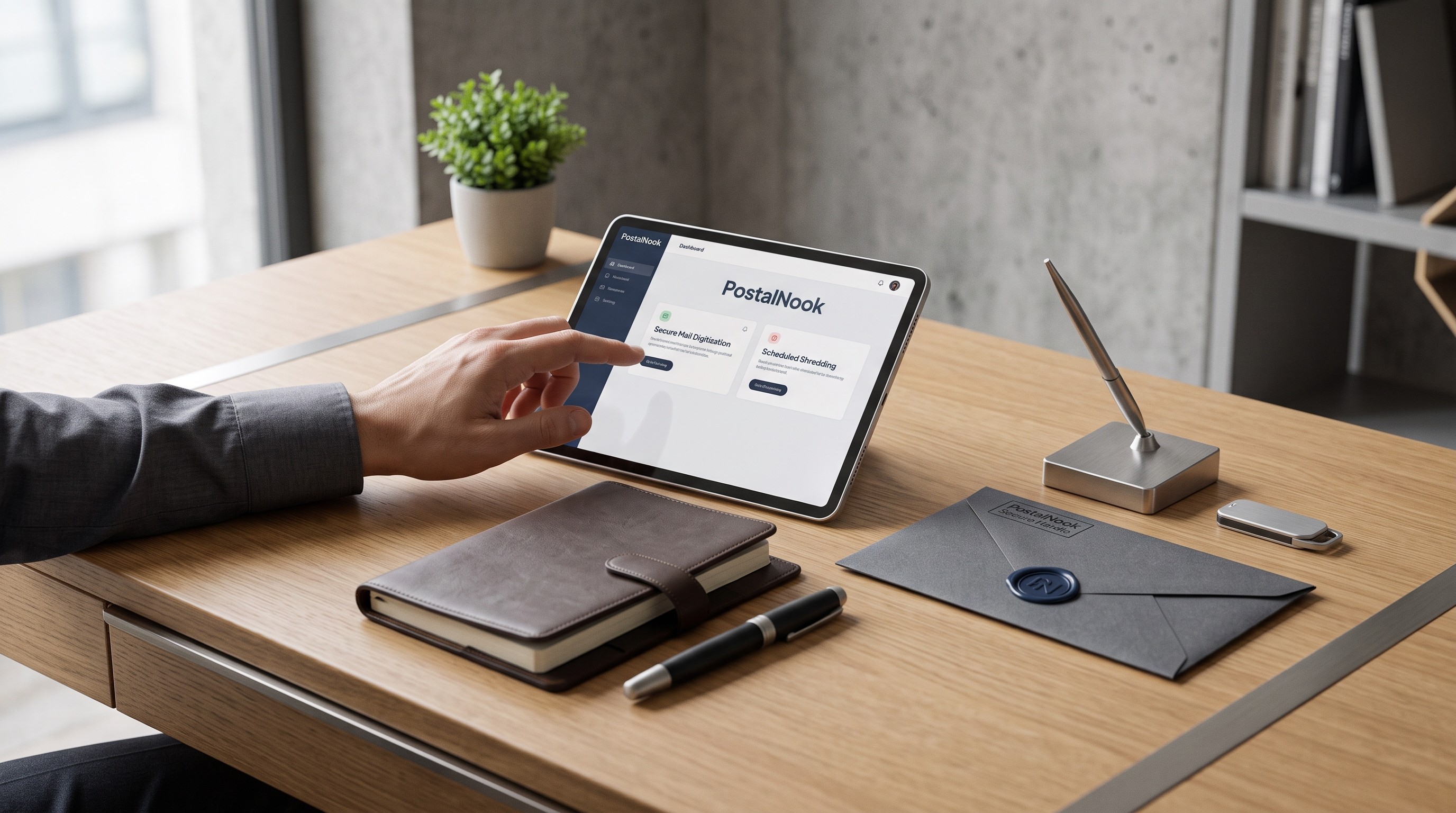
Every trip to the mailbox brings a mix of essential documents and personal records. Credit card offers, bank statements, medical notices, and tax forms arrive with your name and address printed clearly on the envelope. Simply tossing these items into the household trash or recycling bin exposes you to identity theft, financial fraud, and privacy violations.
To safely dispose of sensitive mail, you must destroy the personally identifiable information (PII) before it leaves your hands. Cross-cut or micro-cut shredding is the most effective home method, as standard strip-cut shredders leave readable fragments. Alternatively, local community shredding events, dedicated destruction services, and secure digital mail management solutions allow you to dispose of confidential mail while protecting your identity.
Why Standard Trash Isn't Safe for Confidential Mail
Many people assume that once garbage hits the curb, it becomes anonymous. In reality, identity thieves frequently target residential recycling tubs and trash cans. A single discarded utility bill or pre-approved loan application contains enough information for someone to open fraudulent accounts, intercept online profiles, or construct a convincing social engineering attack.
Physical security is the foundation of digital privacy. When you throw away intact mail, you lose control over where that data travels. Paper records pass through municipal collection systems, sorting facilities, and public transfer stations. At every stage, exposed names, account numbers, and barcodes remain vulnerable to unauthorized viewing.
Treating physical mail with the same caution as digital passwords prevents unneeded exposure. Developing a consistent routine for sorting, handling, and destroying paper records ensures your personal and business details remain private.
Identifying What Counts as Sensitive Mail
Not every piece of junk mail requires high-level destruction, but separating high-risk documents from general paper waste is critical. Inspect incoming envelopes for specific indicators before deciding how to discard them.
Document types that require secure disposal include:
- Financial statements, voided checks, tax forms, and credit card applications
- Medical records, health insurance summaries, and prescription labels
- Government correspondence, social security references, and voter registrations
- Utility bills, pay stubs, and documents listing private account numbers
- Envelopes featuring account barcodes or signature samples
Itemized catalogs, generic coupons, and promotional flyers without personal details can go straight into standard paper recycling. If an item displays your full legal name paired with an account identifier or financial reference, treat it as confidential.
Practical Methods to Destroy Paper Documents at Home
When handling paper mail yourself, select a destruction method that completely prevents reconstruction.
Invest in a Quality Cross-Cut or Micro-Cut Shredder
Basic strip-cut shredders slice paper into long vertical ribbons that can easily be pieced back together. For proper security, choose a cross-cut shredder (DIN P-4 level) or a micro-cut shredder (DIN P-5 level or higher). These machines reduce paper into thousands of tiny, unreadable confetti pieces, making document recovery virtually impossible.
Use Identity Theft Protection Stamps or Roller Pens
If you do not own a shredding machine, identity theft protection stamps offer a quick alternative for small items. These rollers print a dense pattern of random characters over sensitive text, blocking out names, addresses, and account numbers. Once the text is completely obscured, the remaining paper can be recycled safely.
Water Soaking and Pulping
For larger stacks of confidential paper without access to machinery, soaking documents in a bucket of water mixed with a small amount of liquid soap or bleach breaks down the paper fibers. After 24 to 48 hours, mix the slurry with a paint stirrer until it becomes a uniform pulp, squeeze out excess water, and dispose of the mass in your regular waste.
Professional and Community Disposal Solutions
When accumulation outpaces home tools, professional destruction services provide heavy-duty security.
Community Shredding Days
Municipalities, banks, and local law enforcement agencies frequently host free paper shredding events. These events allow residents to drop off boxes of confidential documents, which are fed into industrial mobile shredding trucks on-site.
Drop-Off Destruction Sites
Office supply retailers and shipping centers often offer secure document destruction by the pound. These locations place your paper into locked collection bins, which are later serviced by certified document destruction companies that provide off-site industrial processing and recycling.
Transitioning to a Digital Mail Workflow
Constantly sorting, shredding, and storing paper mail consumes valuable time, especially for remote business owners, expats, and frequent travelers. Shifting away from physical paper management offers a long-term solution to mail security.
Modern mail management replaces the traditional paper trail with secure digital delivery. Instead of receiving piles of paper that require physical destruction, mail is received at a secure facility, processed, and digitised.
Our founders built PostalNook after facing real-world logistics and privacy hurdles while managing properties across multiple locations and operating remotely. We recognized that traditional postal systems were not designed for modern, mobile lives. By utilizing a secure virtual mailbox service, you maintain complete oversight of your incoming postal mail from anywhere in the world.
Through our streamlined system, you choose which items to scan, archive, or destroy. You can learn how it works to see how physical mail is converted into a secure, searchable digital dashboard. When you request the disposal of a physical document, it is deposited directly into locked industrial shredding bins, ensuring your sensitive data is permanently destroyed without you ever having to handle a paper shredder.
Frequently Asked Questions
Explore our in-depth guide on virtual mailboxes—from key features and benefits to easy setup instructions. Perfect for individuals and businesses seeking a secure, efficient digital mail solution.

Discover how digital nomads can overcome mail management challenges with virtual mailboxes. Learn how to access, manage, and secure your mail anytime, anywhere while traveling the world.
Explore how virtual mailboxes ensure top-notch security and privacy. Learn about advanced encryption, secure data storage, and robust privacy protocols that protect your sensitive mail—anytime, anywhere.

Have a question?
We're here to help! Feel free to reach out. Just fill out the form below, and our team will get back to you as soon as possible.
Contact Us
We're here to assist you with any questions or concerns you may have.
(512) 358-1060
contact@postalnook.com
12856 N HIGHWAY 183 (RESEARCH BLVD) AUSTIN, TX 78750

Join our VIP Club
Exclusive deals, early access, and special perks for our valued members.